
Obstetric Point-of-Care Ultrasound (POCUS) Training in Uganda
What is Obstetric POCUS?
Point-of-care ultrasound (POCUS) is bedside ultrasound performed by a clinician — in this case a midwife — at the time of patient care. Unlike hospital-based diagnostic imaging, POCUS delivers immediate clinical information to guide decisions in real time. In low-resource settings like rural Uganda, where access to specialist imaging is limited, obstetric POCUS is a powerful tool for improving maternal and newborn outcomes.
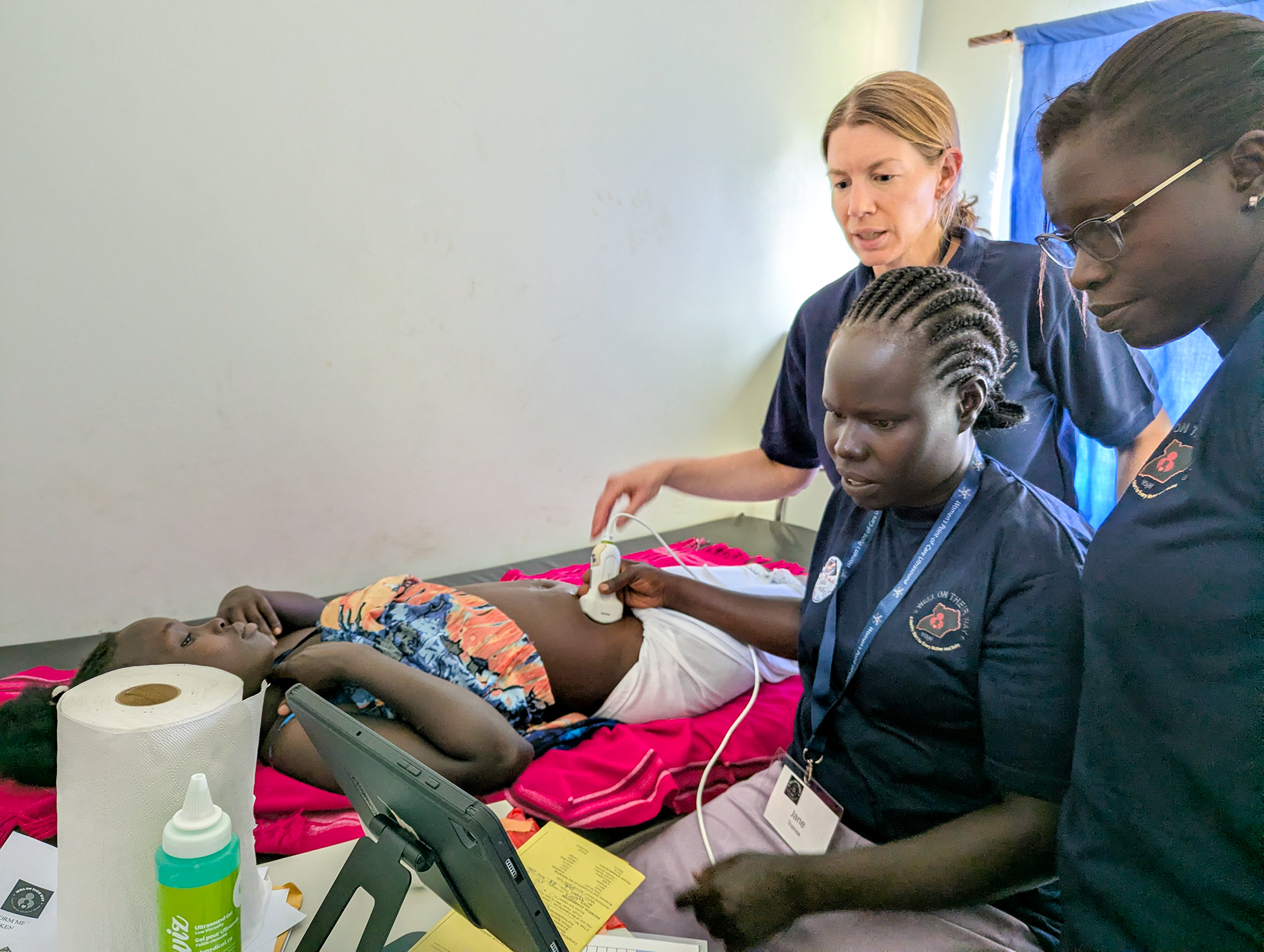
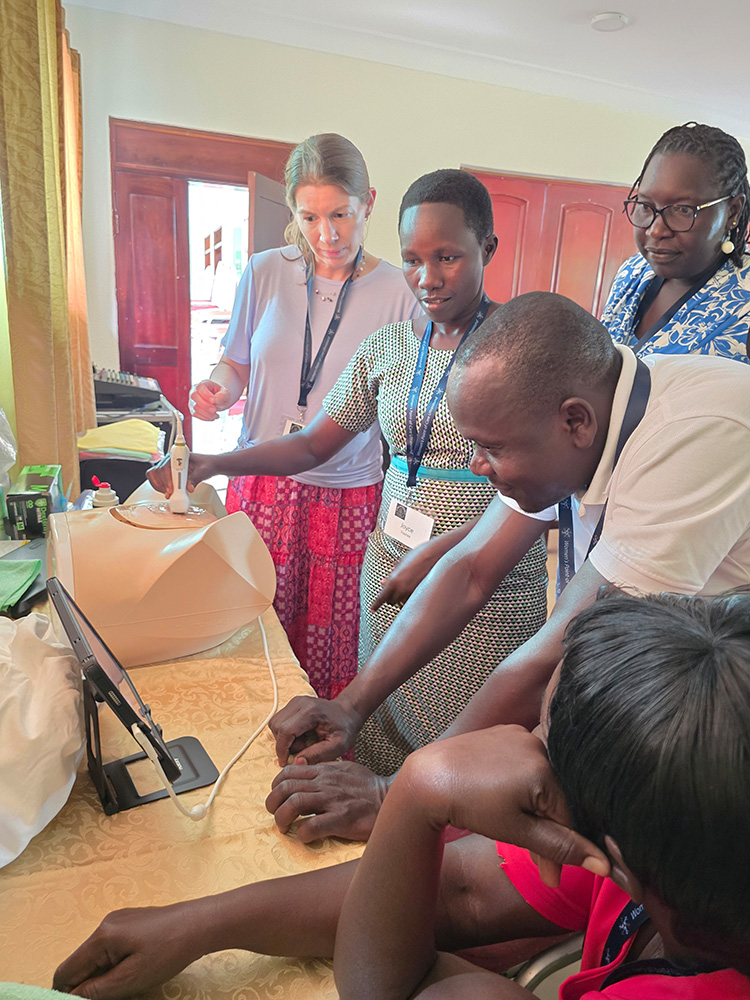
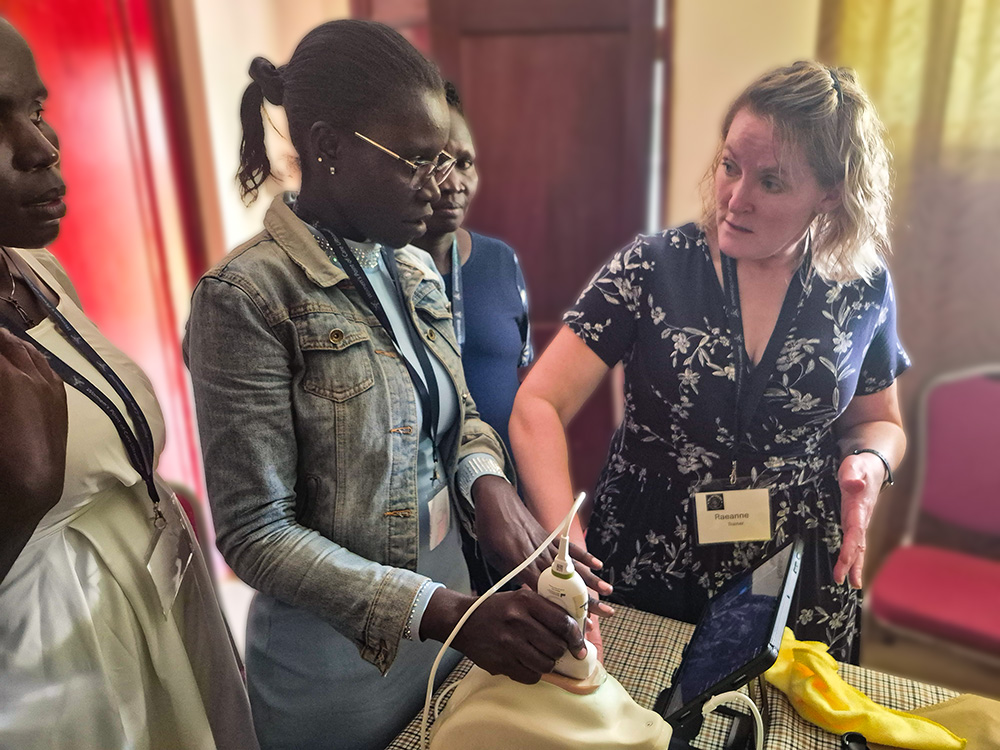
In February and March 2026, Well On their Way (WOtW) achieved a long-held goal: delivering hands-on obstetric point-of-care ultrasound (POCUS) training to ten midwives in Gulu, Uganda. Funded by an anonymous donation, this program gave frontline midwives the skills and tools to use portable ultrasound at the bedside — improving their ability to monitor pregnancies, detect complications early, and refer mothers for specialist care when needed.
Obstetric POCUS Training in Uganda: How It Happened
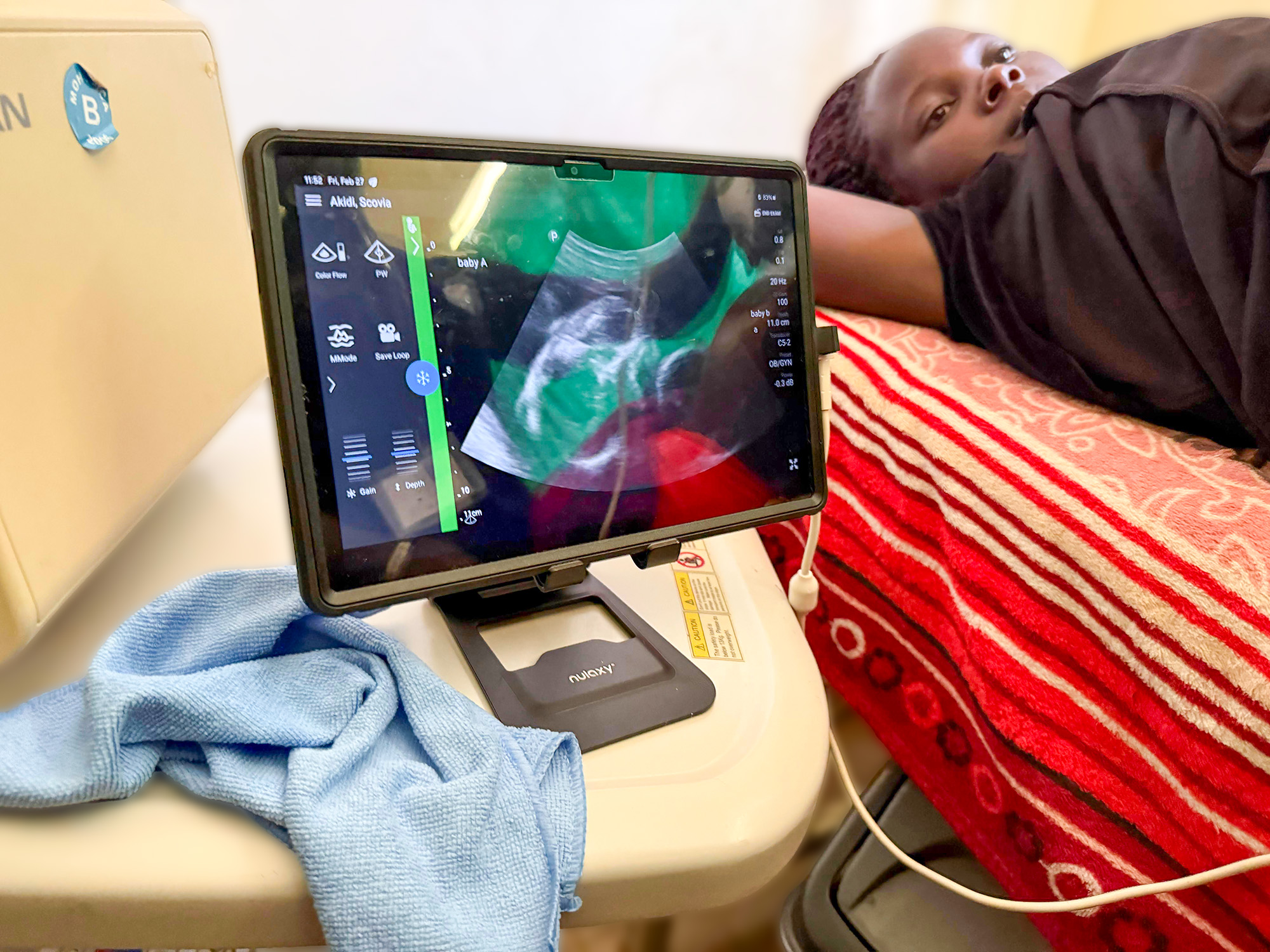
A generous anonymous donation made this training possible. WOtW provided:
- Five portable ultrasound probes and tablets
- Advance training through global online programs
- A highly skilled international on-site training team
- Ten days of intensive hands-on instruction with a 1:2 trainer-to-trainee ratio
Measuring Impact:
Ultrasound Scans & Outcomes
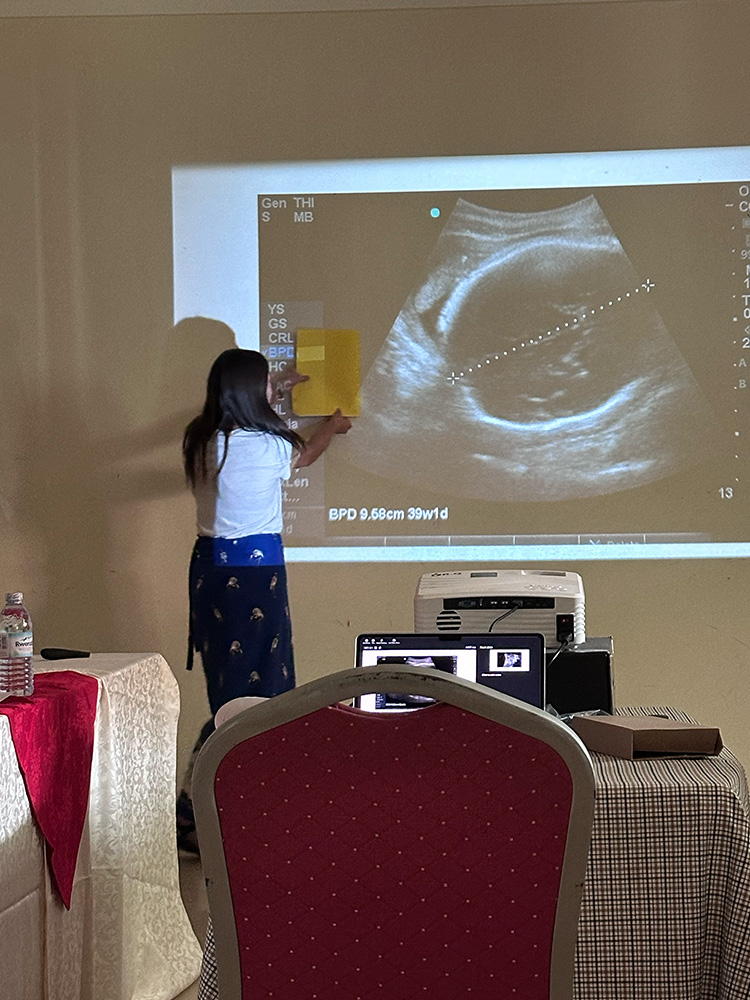
The following data is drawn directly from scans performed by WOtW-trained midwives in Gulu District since the program launched in March 2026.
What Midwives Learned: Focused Obstetric Ultrasound Skills
WOtW’s goal was to provide midwives with a focused skill set that enhances their clinical abilities — not to create obstetric sonographers, which would be unrealistic. Obstetric sonographers undergo two years of training and carry extensive specialist experience. Instead, WOtW concentrated on the ultrasound applications most likely to improve patient outcomes at the point of care.
Trained skills included:
- Confirming pregnancy in the uterus
- Identifying multiple gestation
- Assessing placental location
- Estimating gestational age
- Determining fetal position
- Measuring fetal heart rate
- Evaluating amniotic fluid quantity
In Their Own Words: Midwife Trainees on the Program
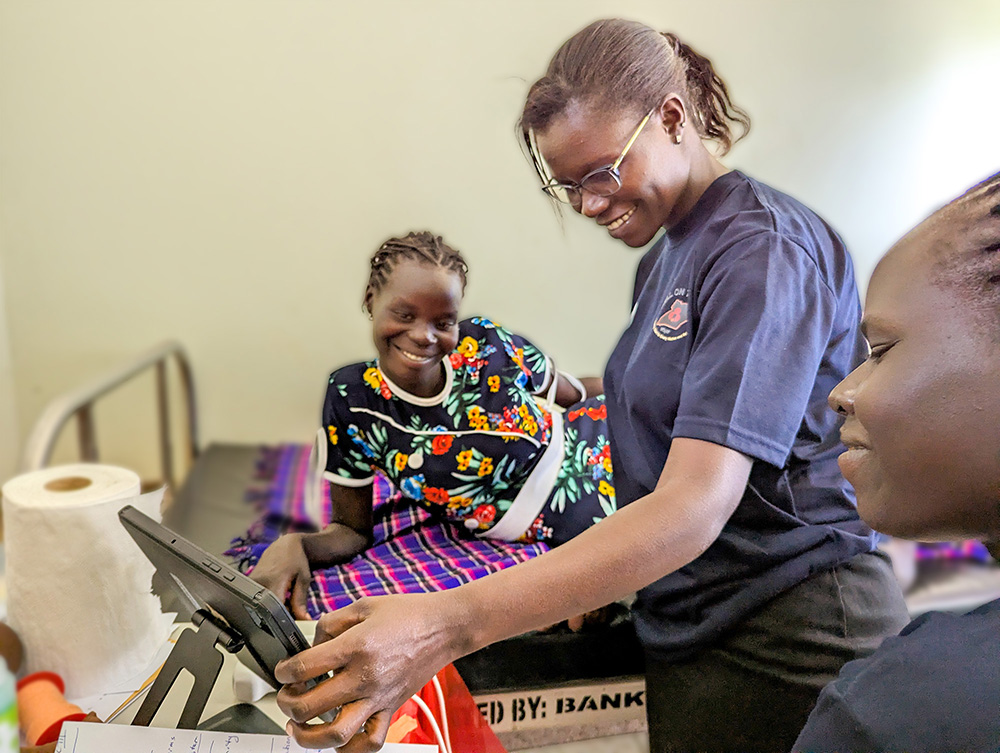
Here is what participating midwives from the 2026 Uganda POCUS training cohort said about the program:
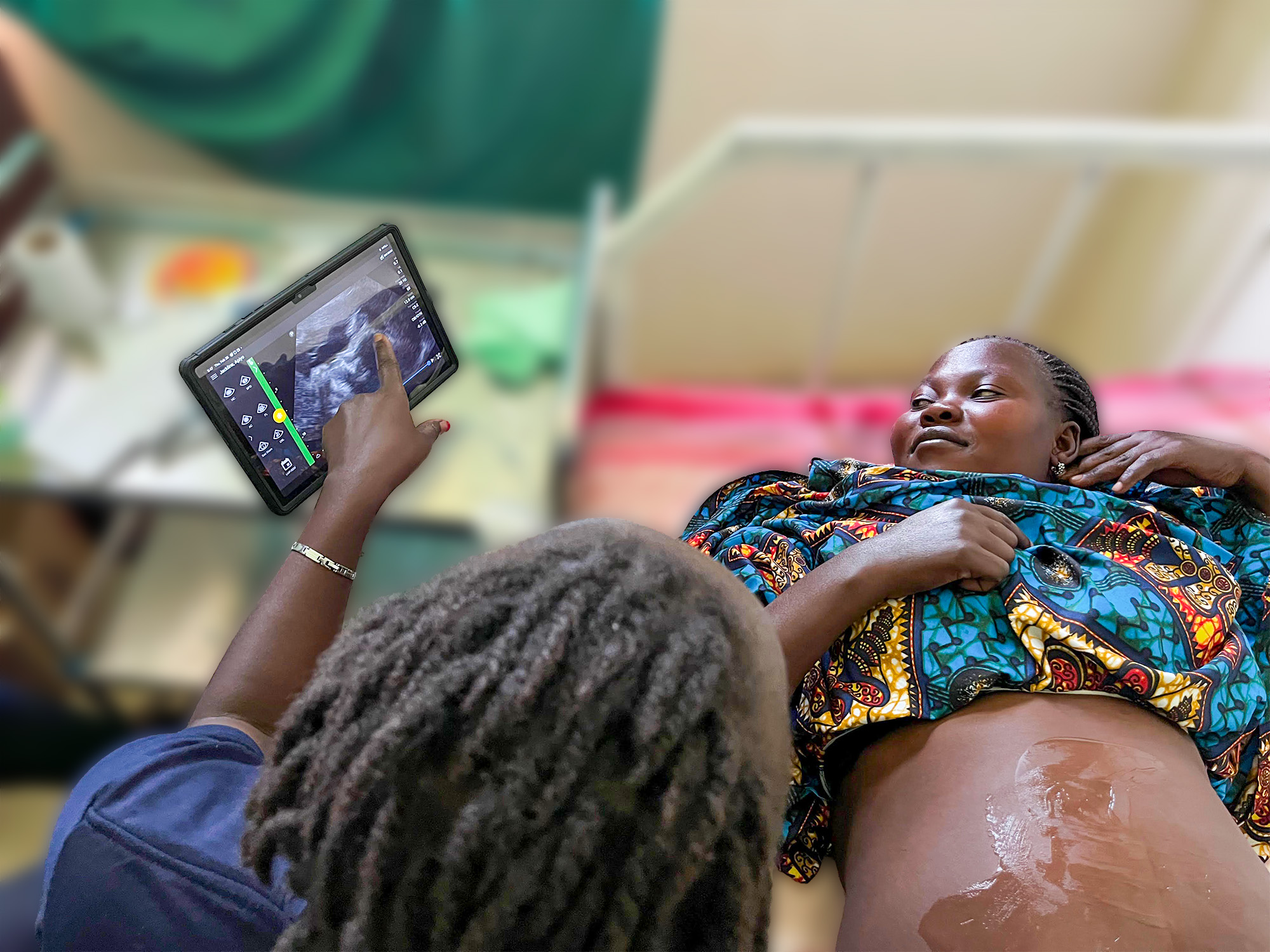
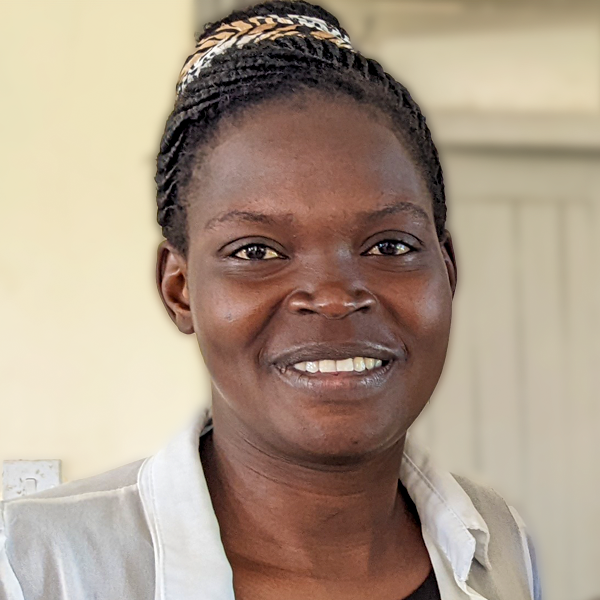
“I believe this new knowledge and these new skills will greatly strengthen my work as a midwife. With ultrasound, I can make more informed decisions, provide better guidance to expectant mothers, and refer complicated cases in time when necessary.”
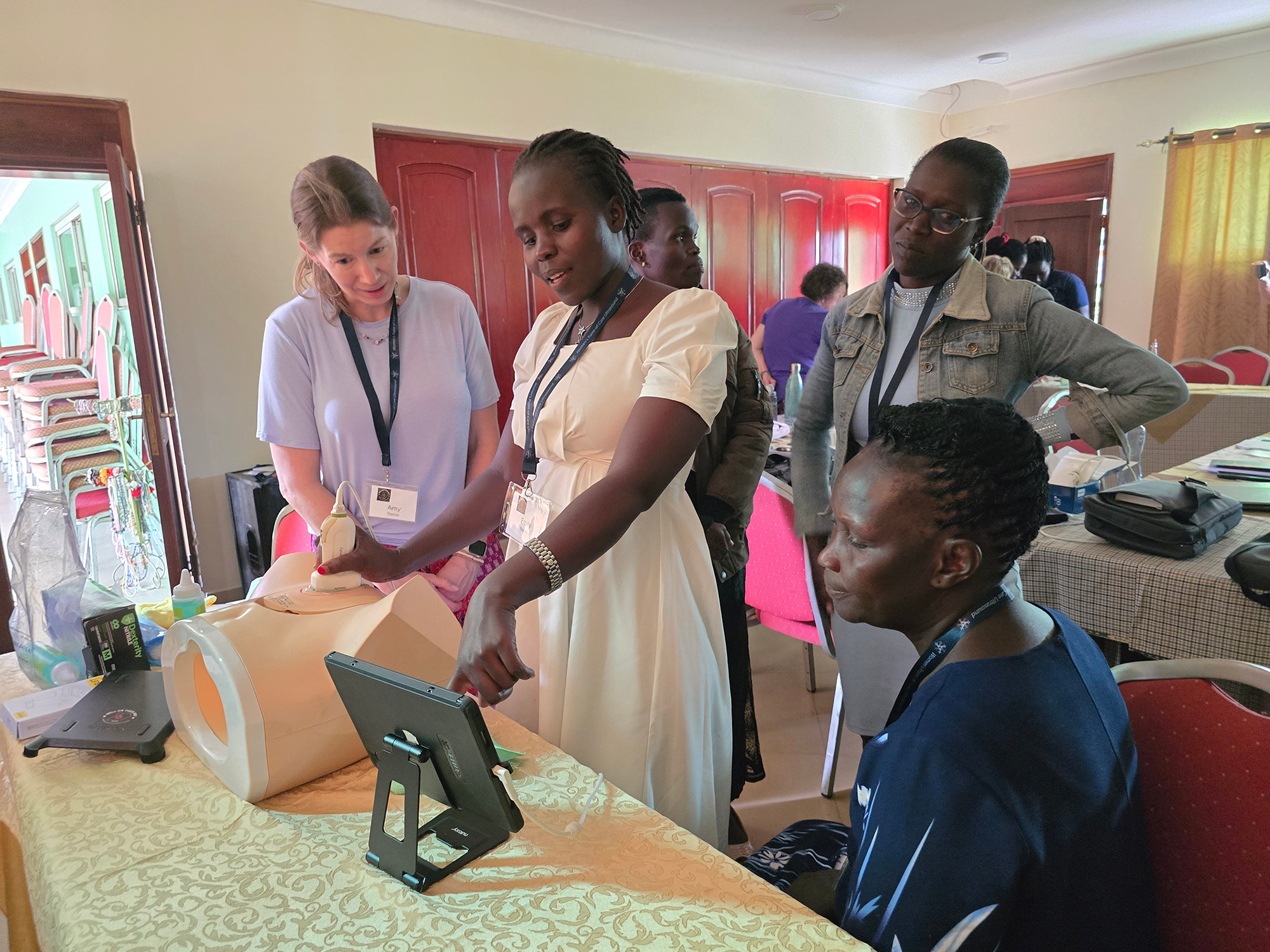
“When the trainers came around it was more or less the best moment for me because it felt like my mind was opened with just a click — like a radio station was tuned to a proper channel.”
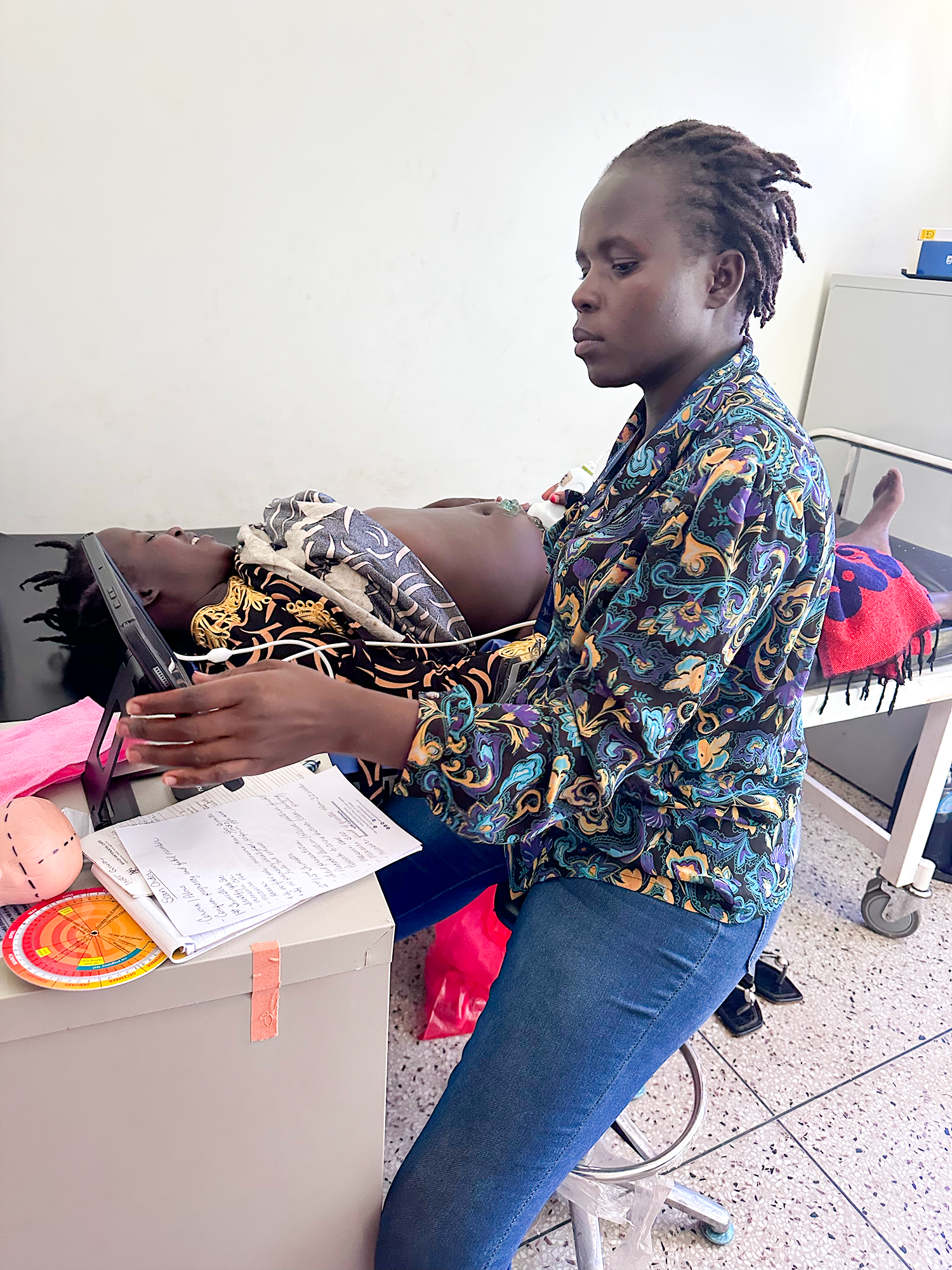
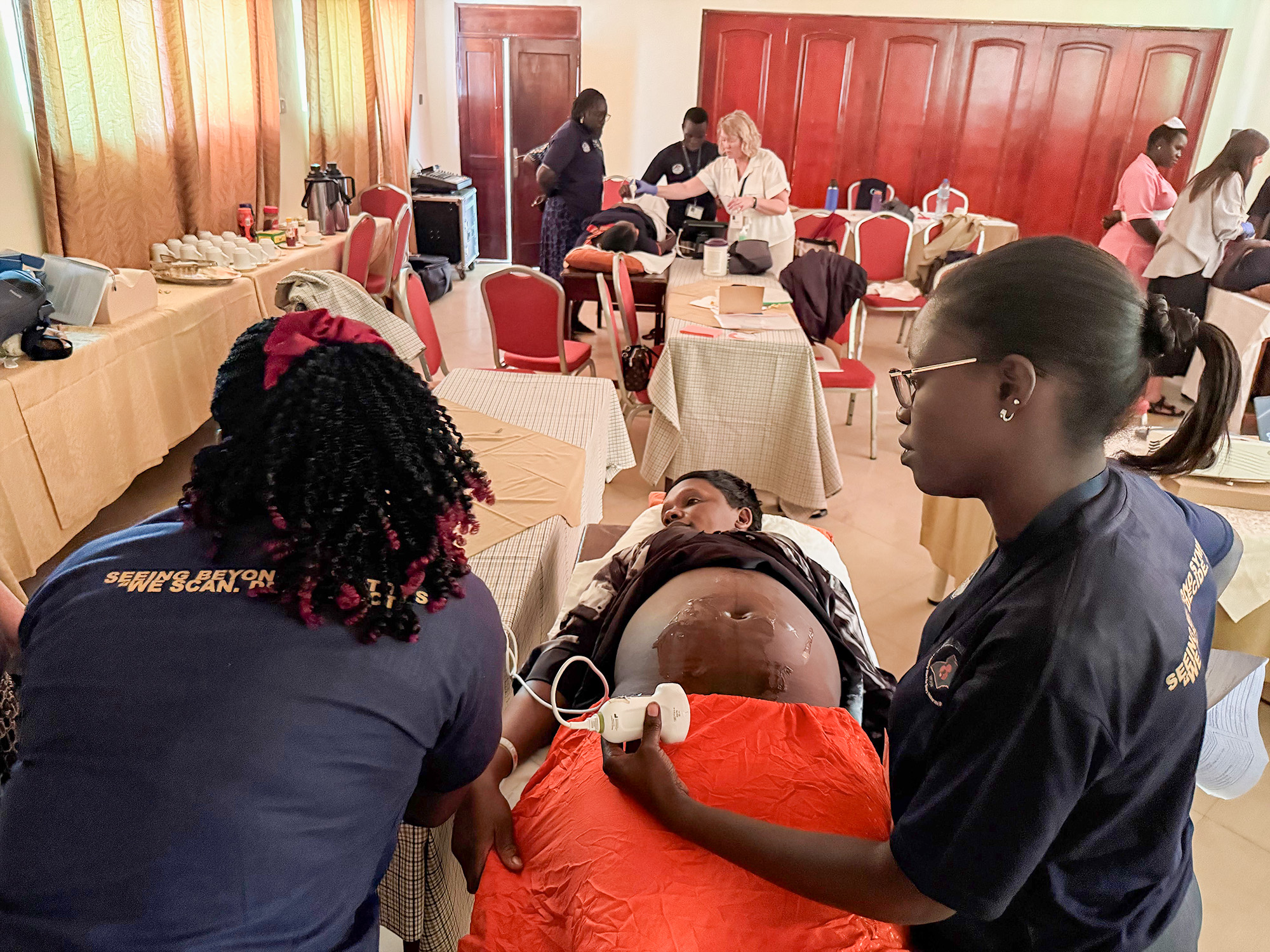
“All of the trainers were knowledgeable. They gave us everything that they could to make us provide quality care to our mothers… I have learned a lot, and thank you for making me a multipurpose midwife.”
Long-Term POCUS Mentorship & Quality Assurance in Uganda
Delivering ultrasound equipment and training is only the first step. The long-term success of any POCUS program depends on sustained mentorship, clinical support, and quality assurance. WOtW is committed to all three.
Mentorship
Interpreting two-dimensional ultrasound images — and translating them into three-dimensional clinical understanding — is a skill that takes time. Some trainees acquired confidence quickly; others need more time and support. To meet each midwife where she is, the WOtW Uganda team has established a mentorship network that includes:
- Peer-to-peer support among trainees
- Two gynecologists from Gulu City — Dr. JJ Lapat and Dr. Joshua Wacha — who have fully embraced their role in this program
Real-Time Clinical Support
What happens when a midwife encounters an unclear ultrasound finding? She is not alone. Each trained midwife can contact one of the supporting gynecologists directly for:
- Real-time scan interpretation
- Clinical management recommendations
Immediate access to expert support strengthens both clinical outcomes and the midwife’s own learning and confidence.
Quality Assurance
WOtW holds itself to high standards. To ensure scan accuracy and continuous improvement, randomly selected scans are uploaded to the GUSI (Global Ultrasound Institute) platform, where a team of obstetric sonographers and maternal-fetal medicine specialists provide feedback on:
• Image quality
• Accuracy of interpretation
Expanding Ultrasound Access for Mothers in Northern Uganda
This is the beginning of something important. If you would like to support the next phase of WOtW’s obstetric POCUS program in Uganda, please consider making a donation.